
ocivm.com > LEED / AES Spectrometers > Mini-LEED with External Retraction & Integral Shutter: LEED 450 (Model BDL450)
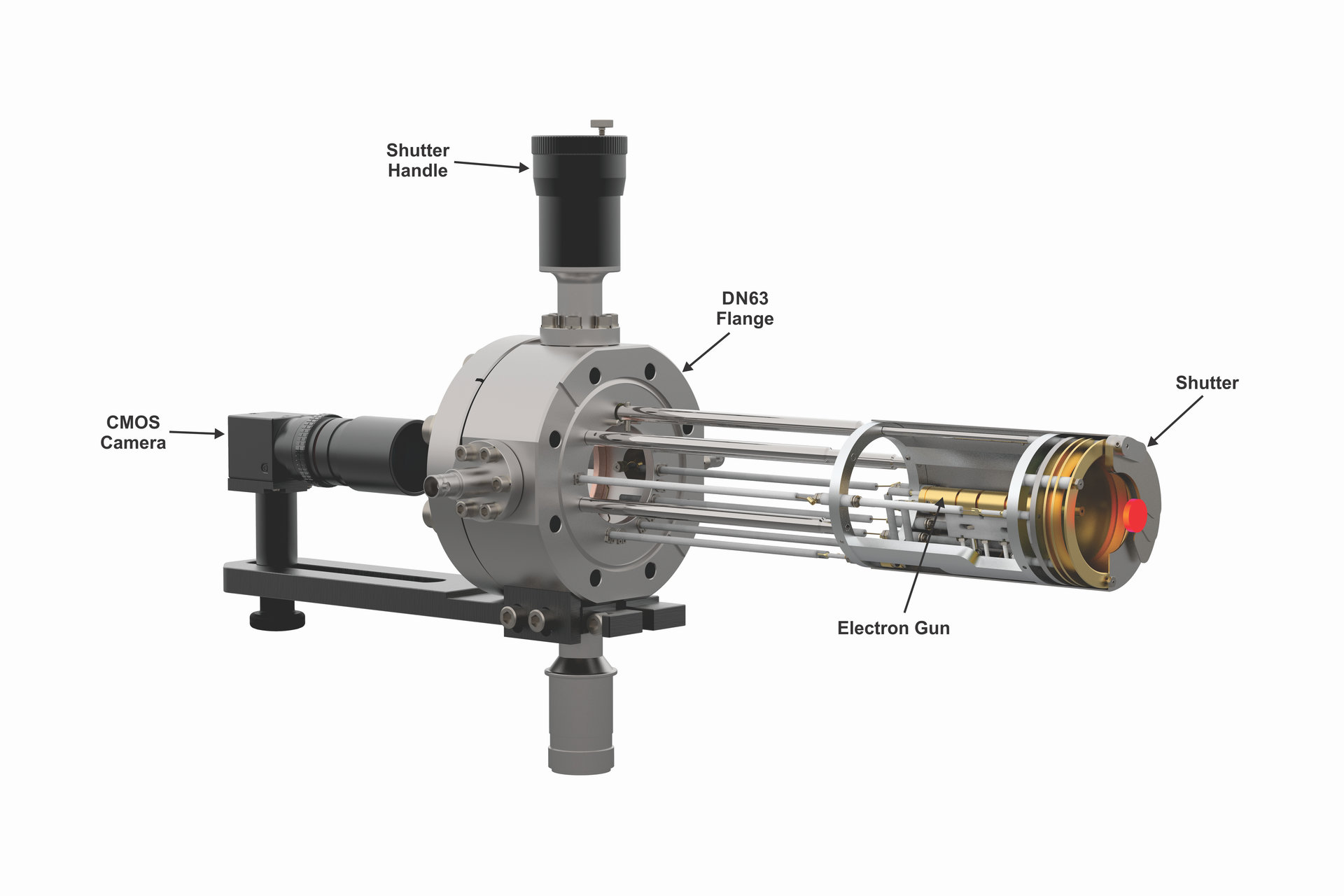 Figure 2. Model LPS075-D power supply for LEED operation.
 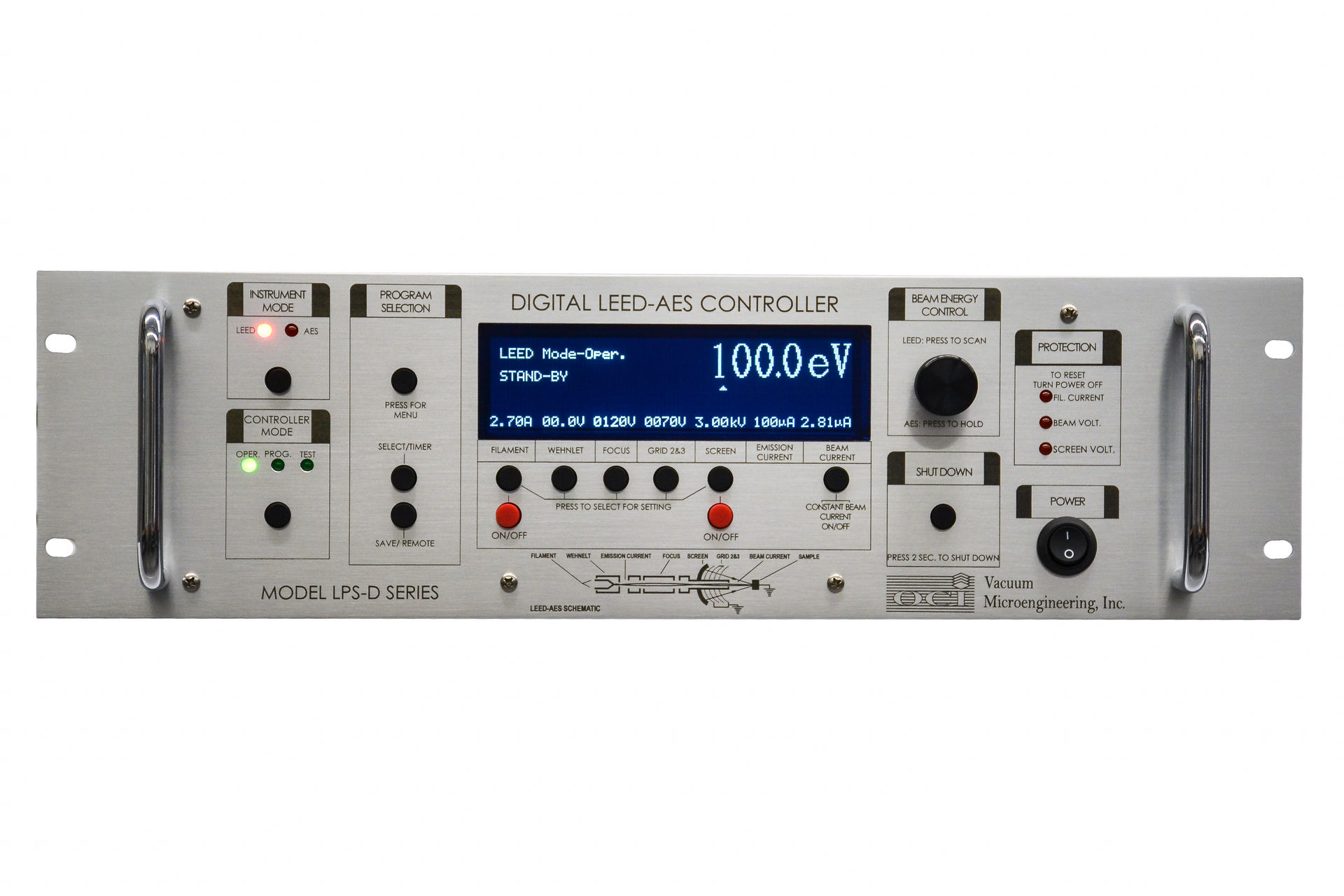 Figure 3. Model LPS300-D and LOA10-AES power supply for LEED and AES operation.
 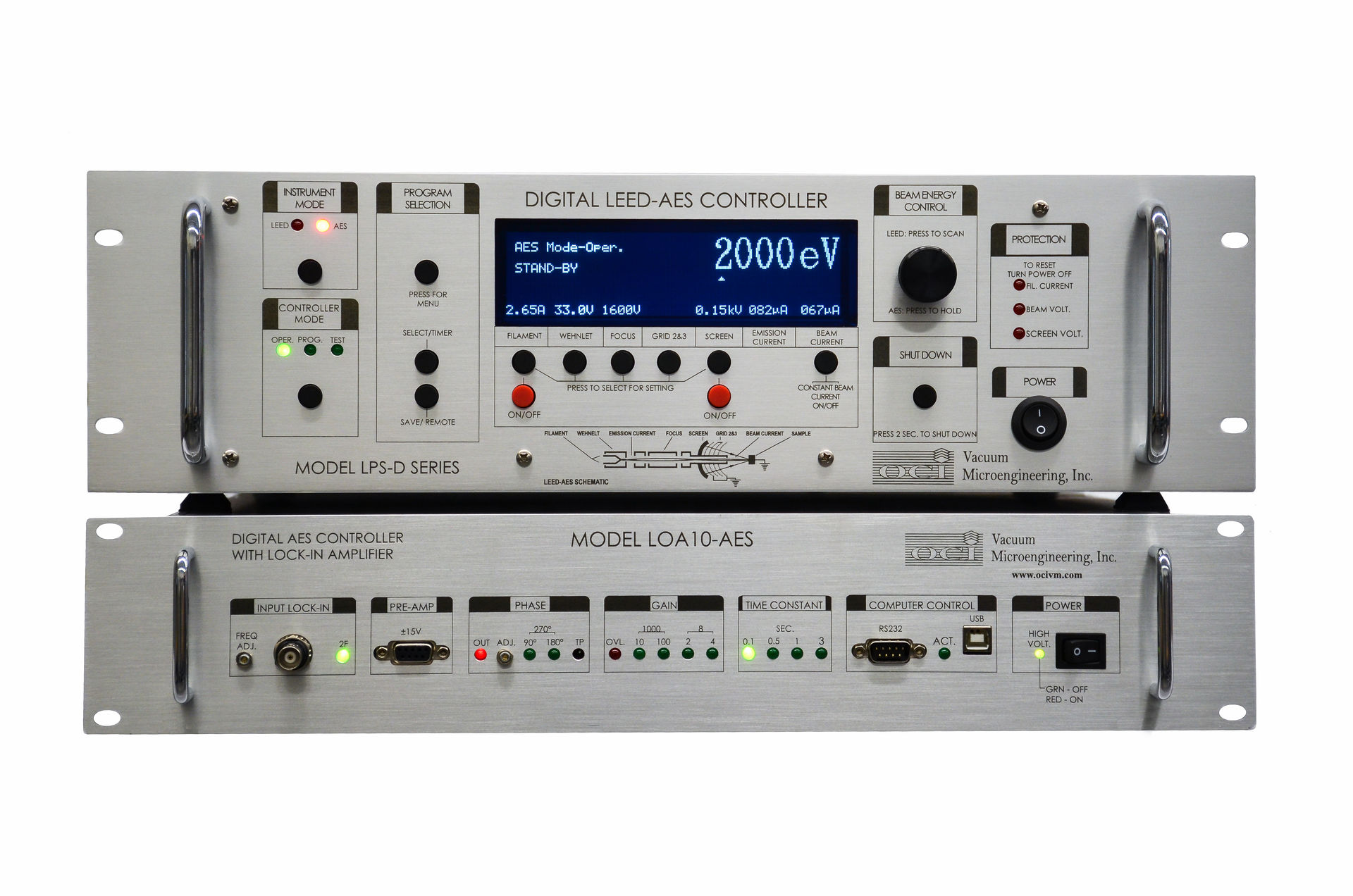 Figure 4. MultiLEED Software.
 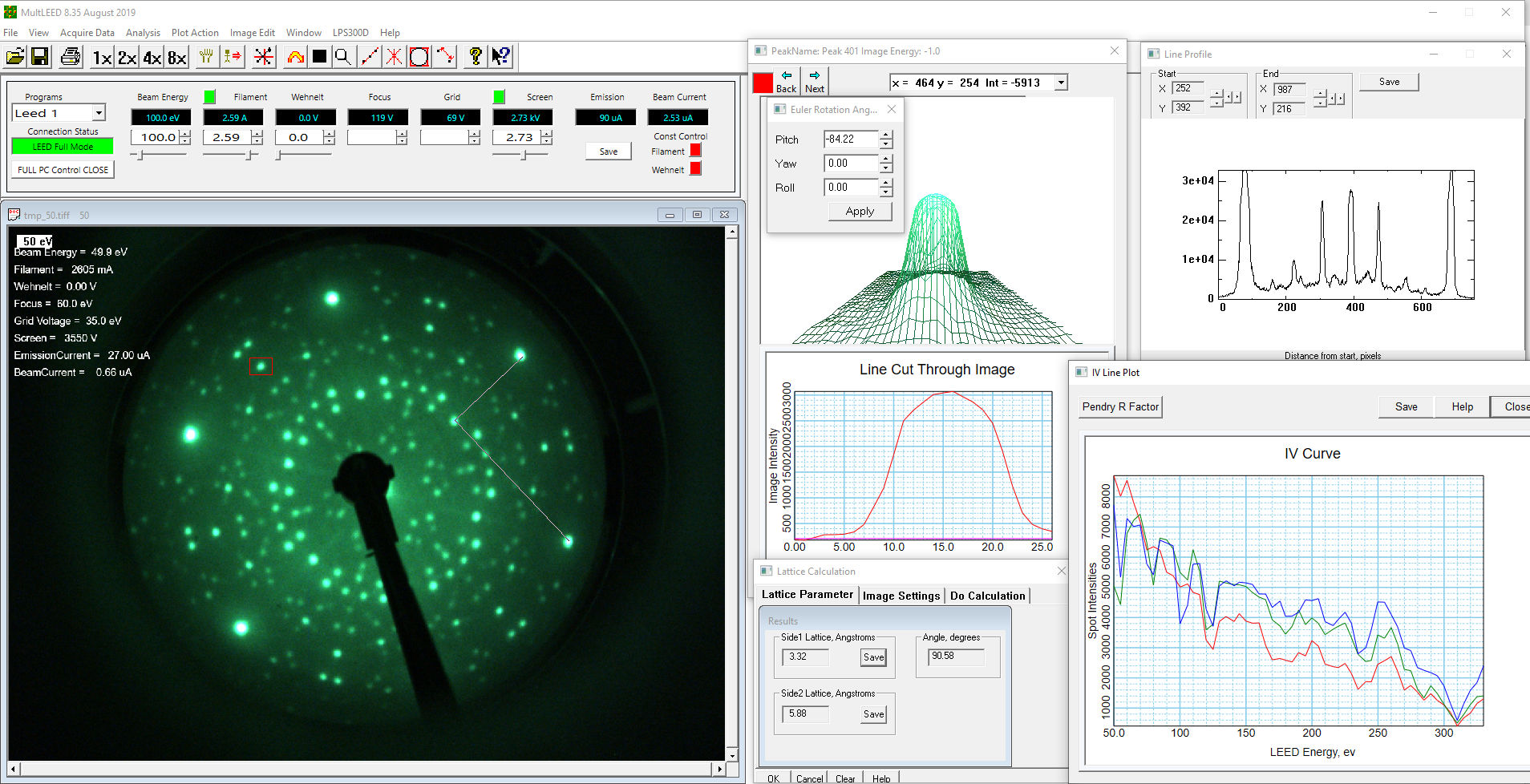 Figure 5. AES Software.
 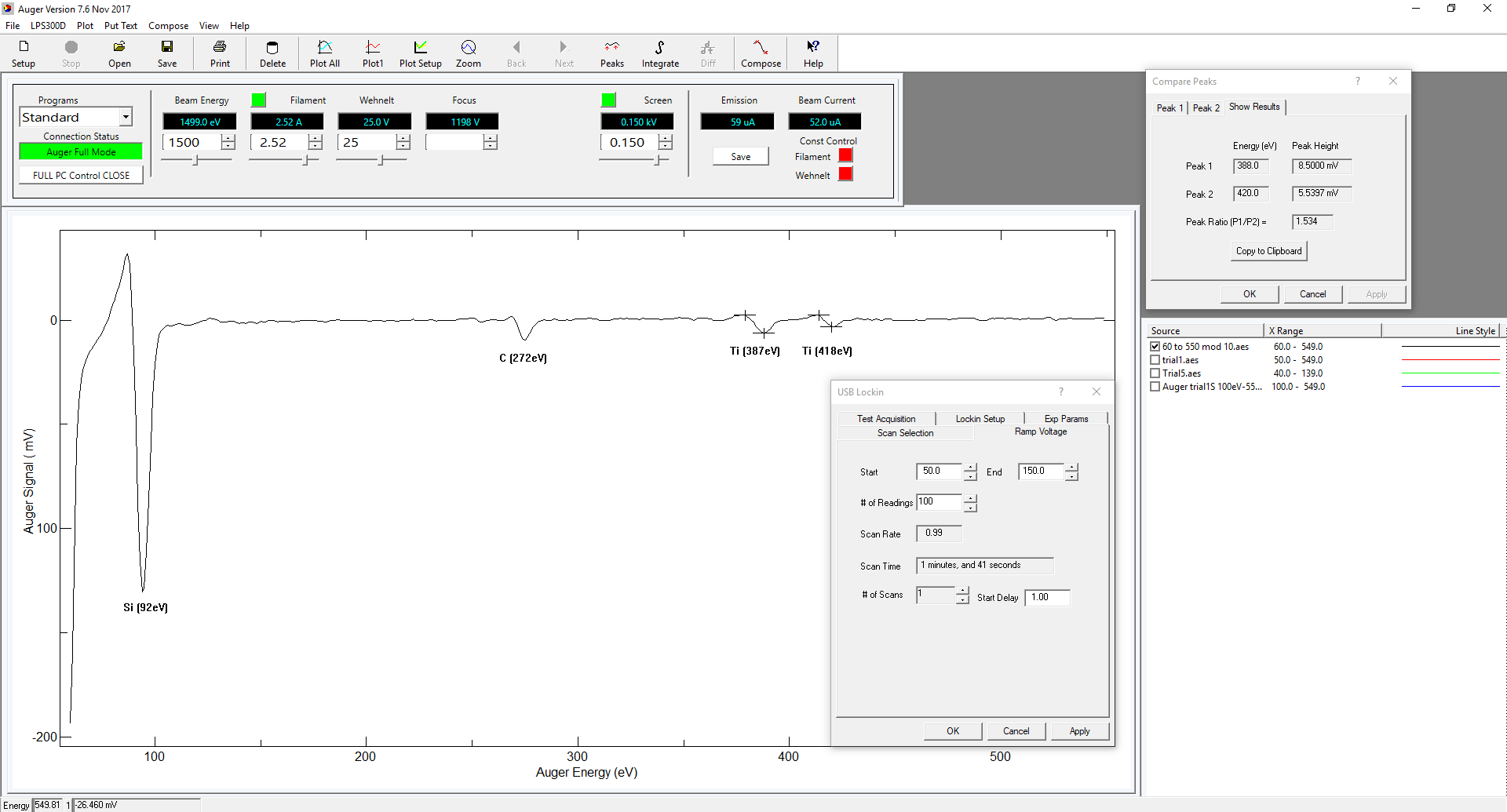 Figure 5. AES Software Images - element composition.
 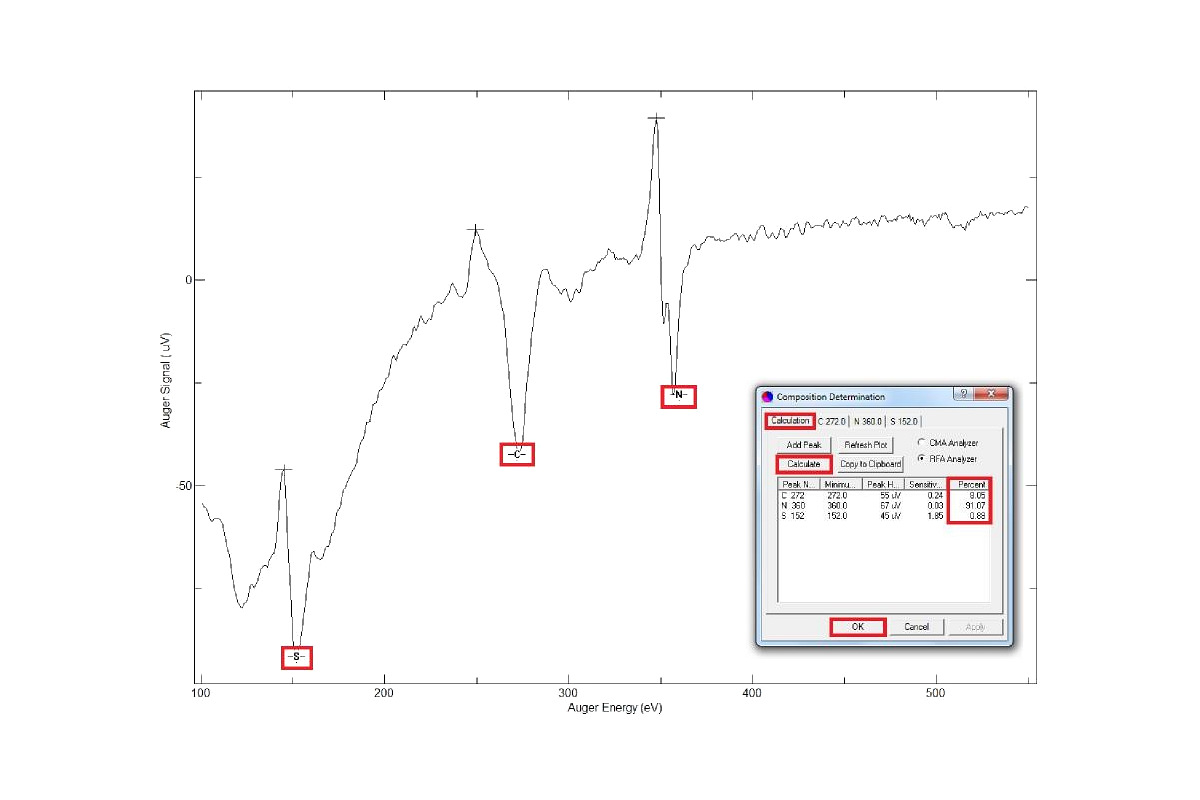 Figure 6. LEED pattern of a CuAl (111) sample with 125 eV beam energy.
 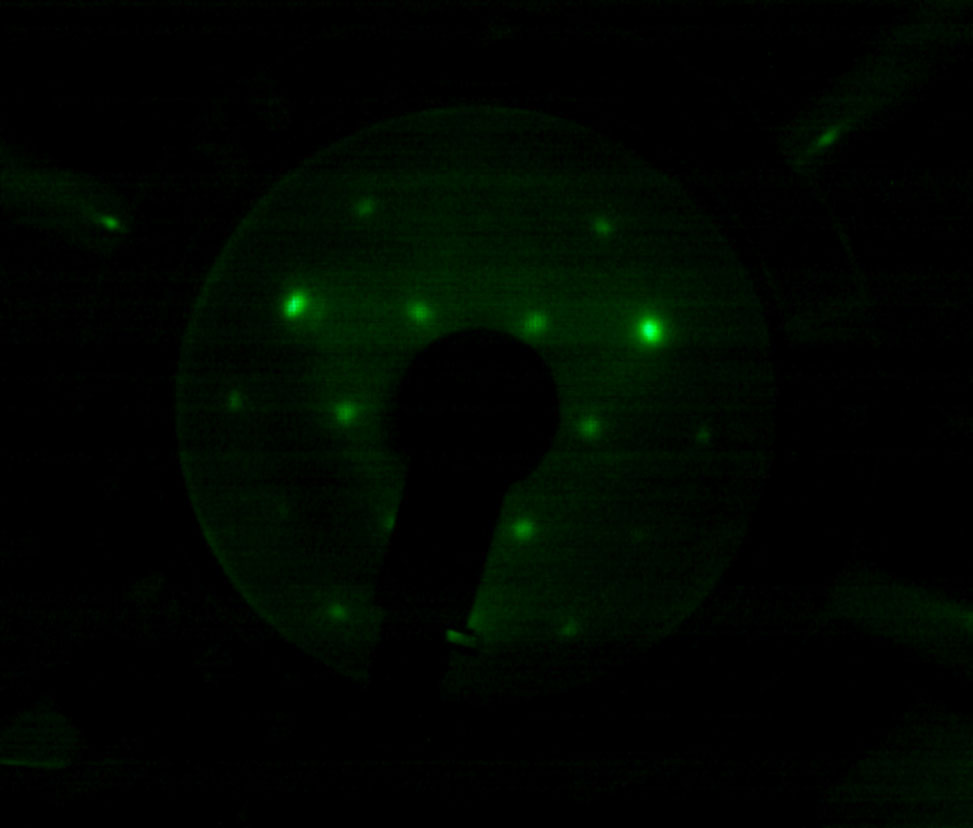 Figure 7. LEED pattern of CuAl (111) with 108 eV beam energy.
 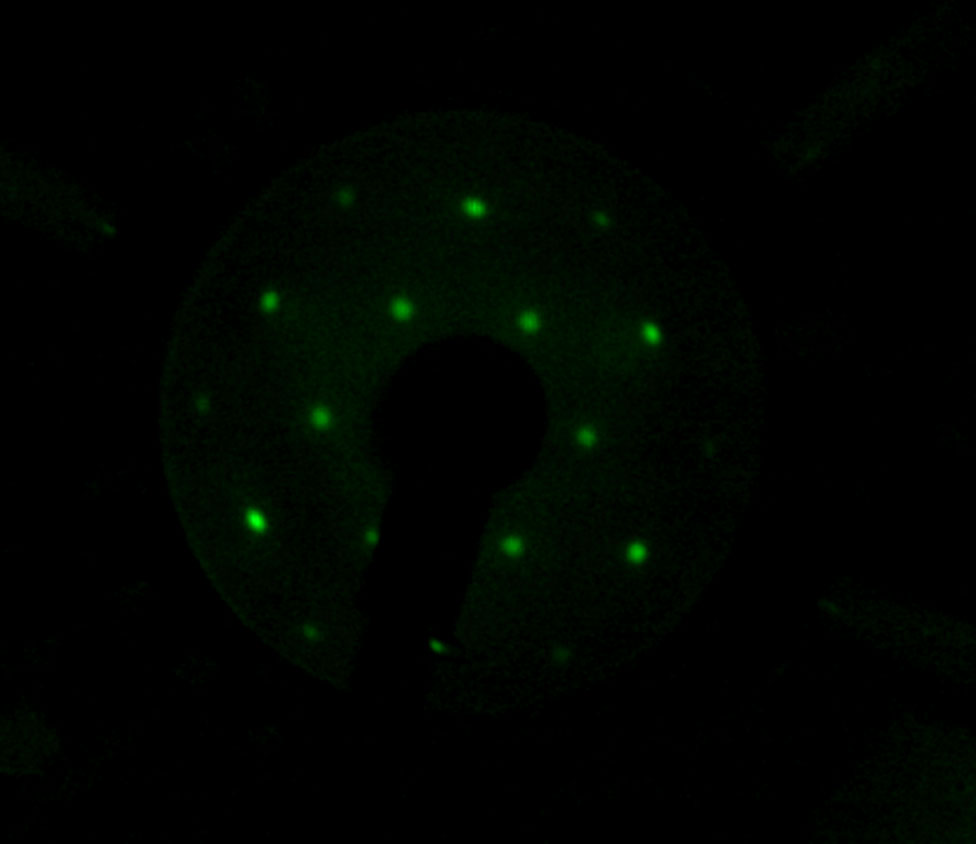 Figure 8. LEED pattern of CuAl (111) with 22-108 eV beam energy.
 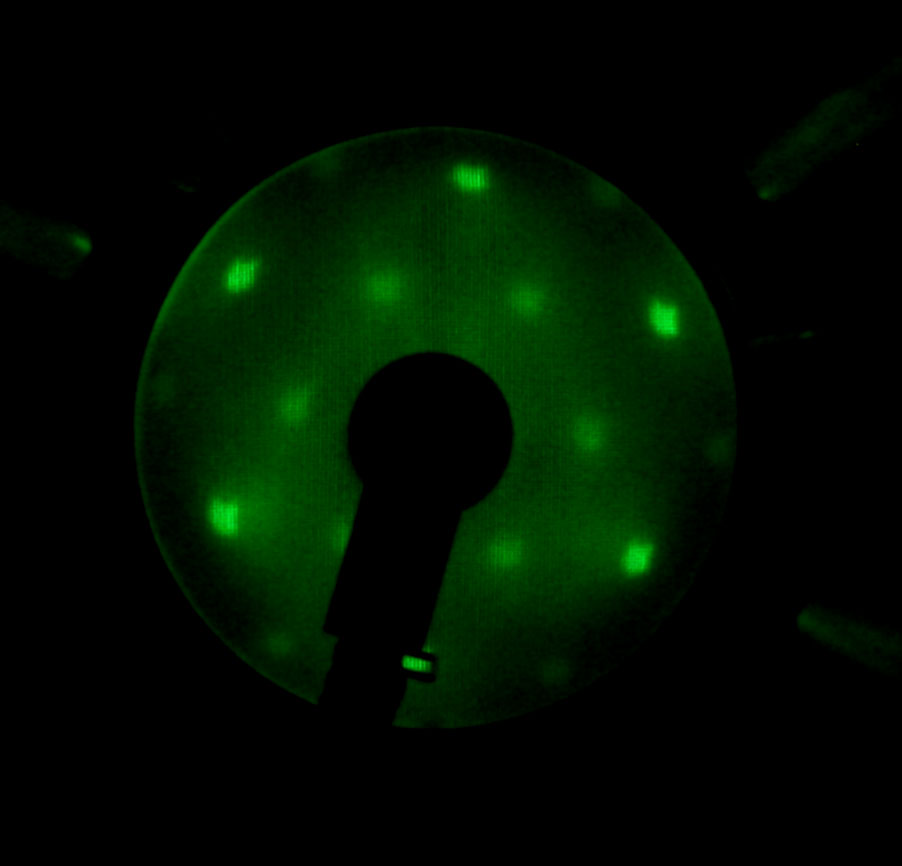 Figure 9. EED pattern of Graphene on Iridium (111) with 74 eV beam energy.
 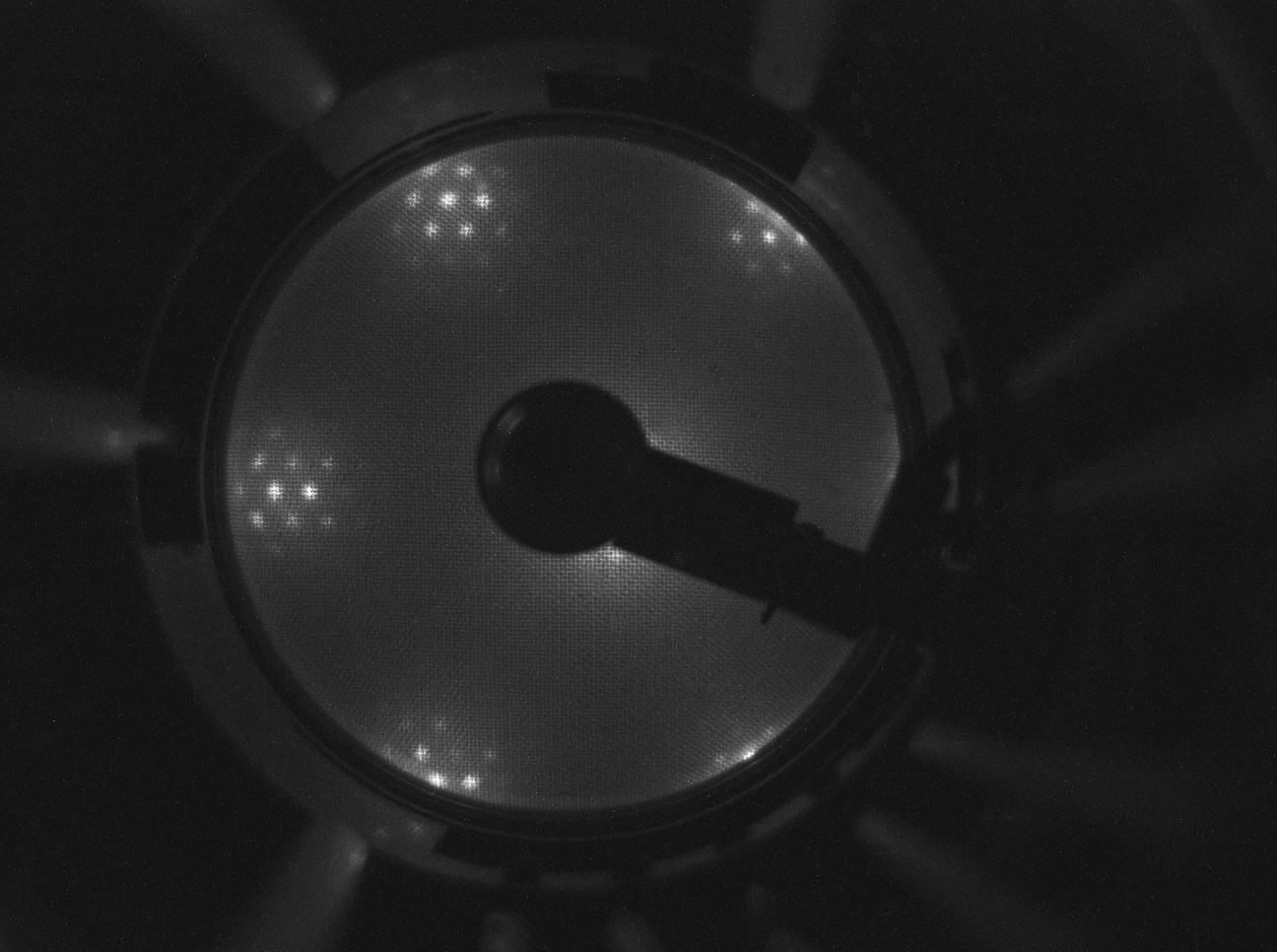 Figure 10. Auger spectrum of TiO2.
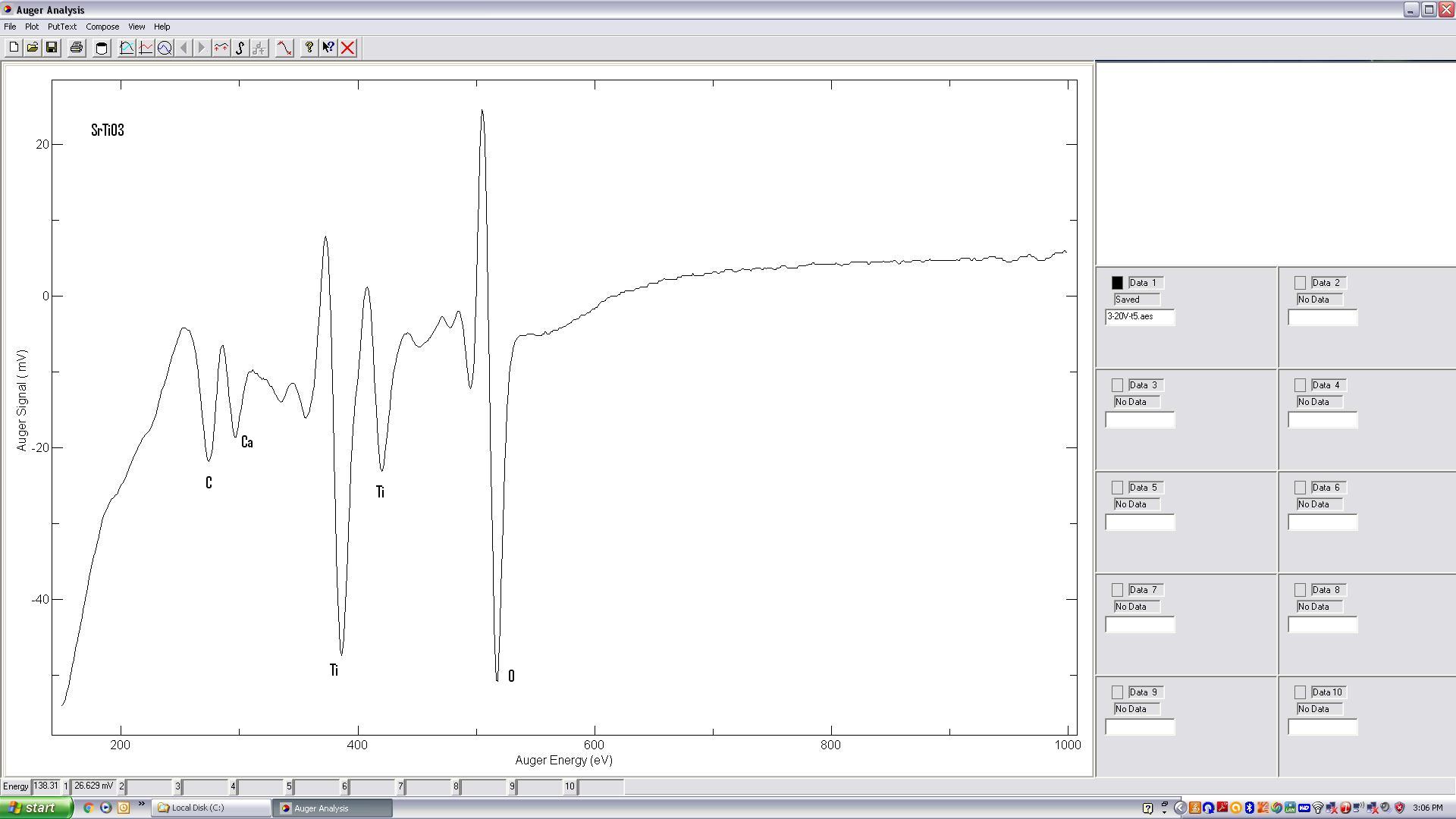
 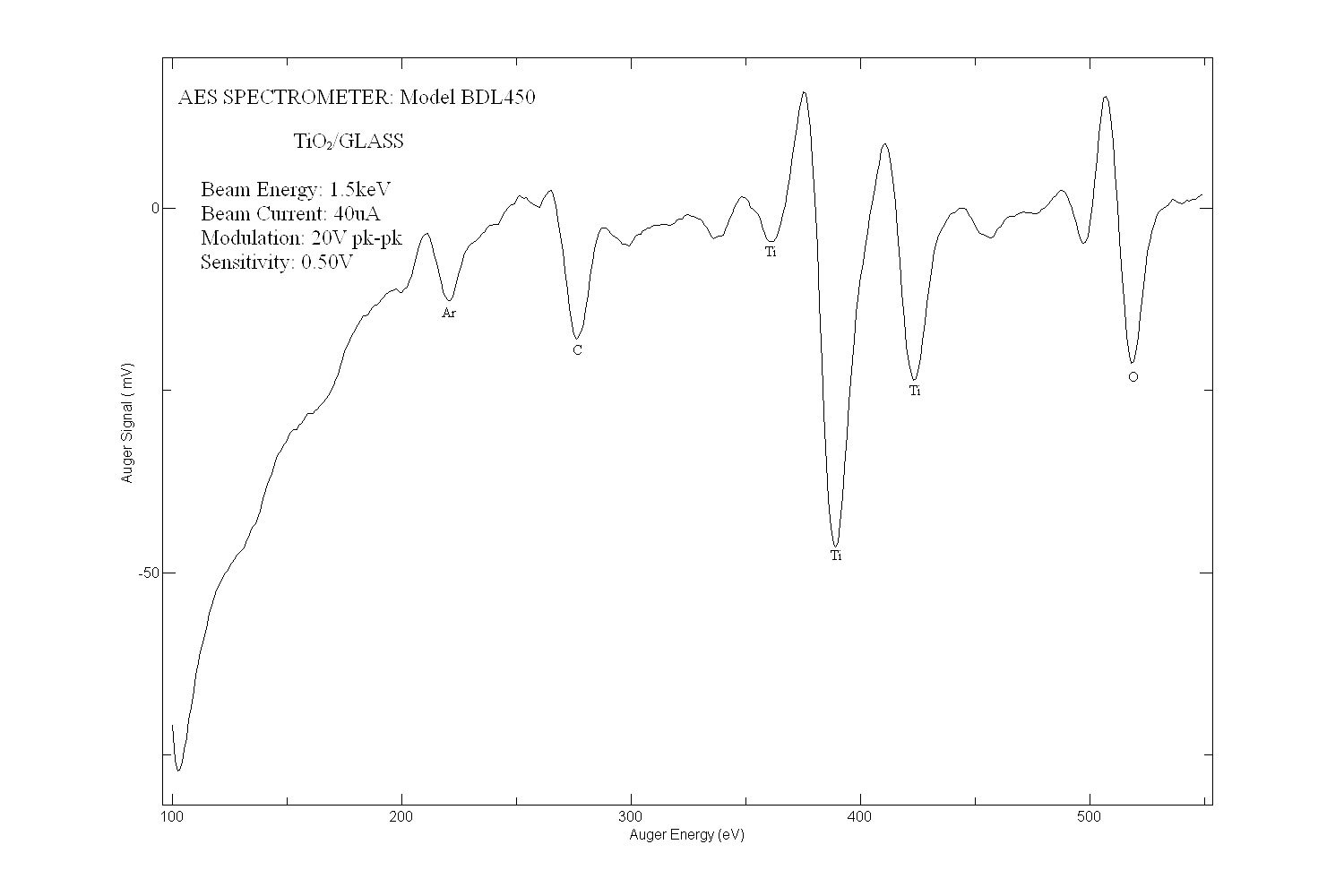 Figure 11. Auger spectrum of SrTiO3.
  -->
-->
The LEED 450 combines cutting-edge Low-Energy Electron Diffraction (LEED) and Auger Electron Spectroscopy (AES) capabilities in a mini, reliable package. Featuring a miniature electron gun, a set of concentric grids, and a conductive, phosphor-coated screen, this high-performance instrument delivers exceptionally sharp and bright LEED patterns.
Designed for ease of use, the LEED 450 operates with a modern digital power supply and a robust retraction mechanism, ensuring smooth, dependable day-to-day operation, as trusted by our extensive user base for decades. The wide viewing angle (83 ° at 34mm sample distance) and minimal screen shadowing by the electron gun maximize the visible LEED pattern, providing unparalleled clarity and precision for surface science research.
The LEED 450 is capable of providing LEED and AES data for a wide range of samples. The miniature size allows for integration into any UHV system.
For seamless integration, 3D step files are available for most models on the PDF Downloads page.
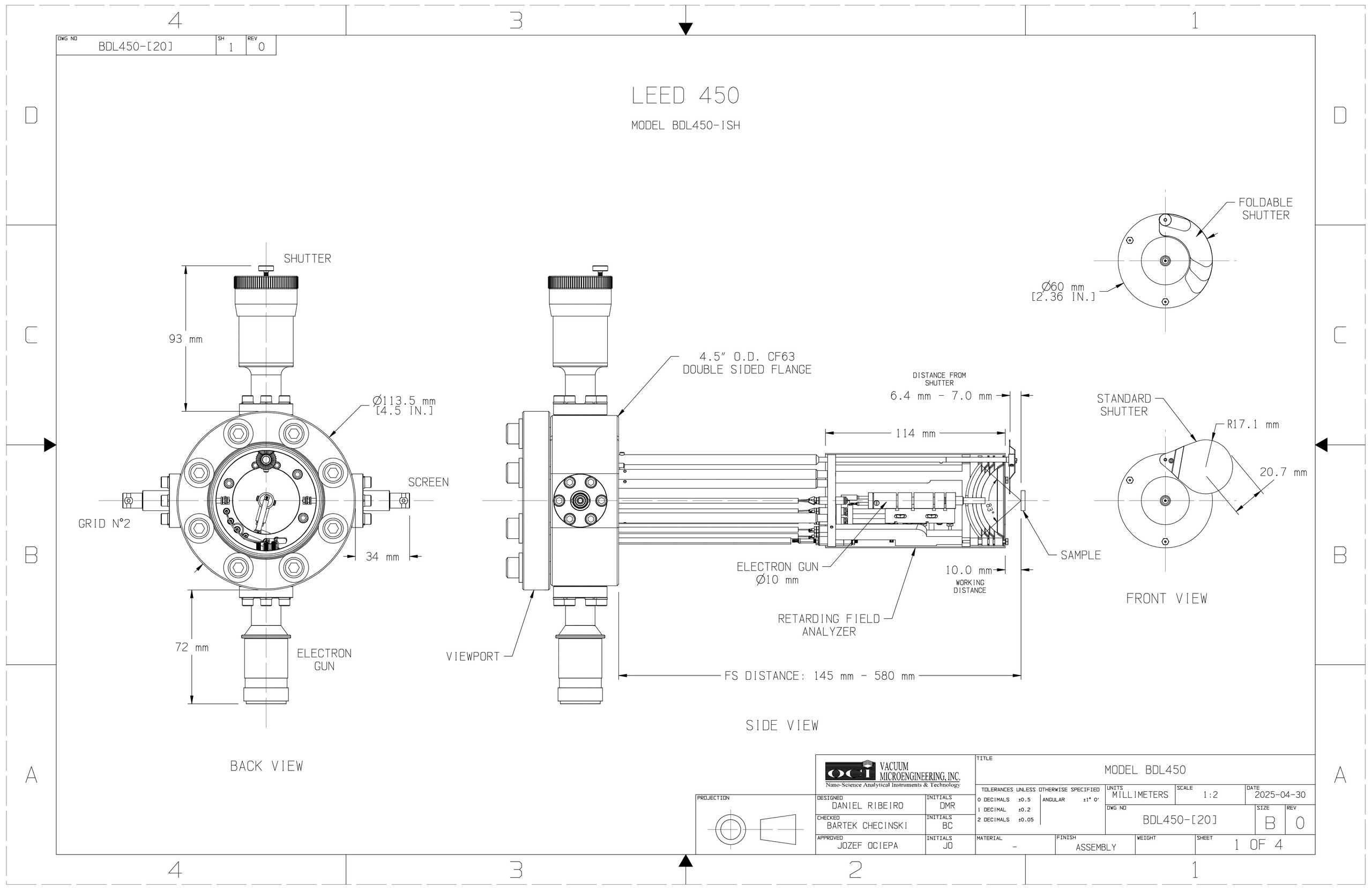
External LMX length calculation for LEED 450 (Model BDL450):
FS = OL + WD; where FS is the flange to sample distance, OL is the fixed optic length and WD is the working distance.
FS = PL + B + OV where PL is the port length, B is the minimum bellow length and OV is the overlapping value.
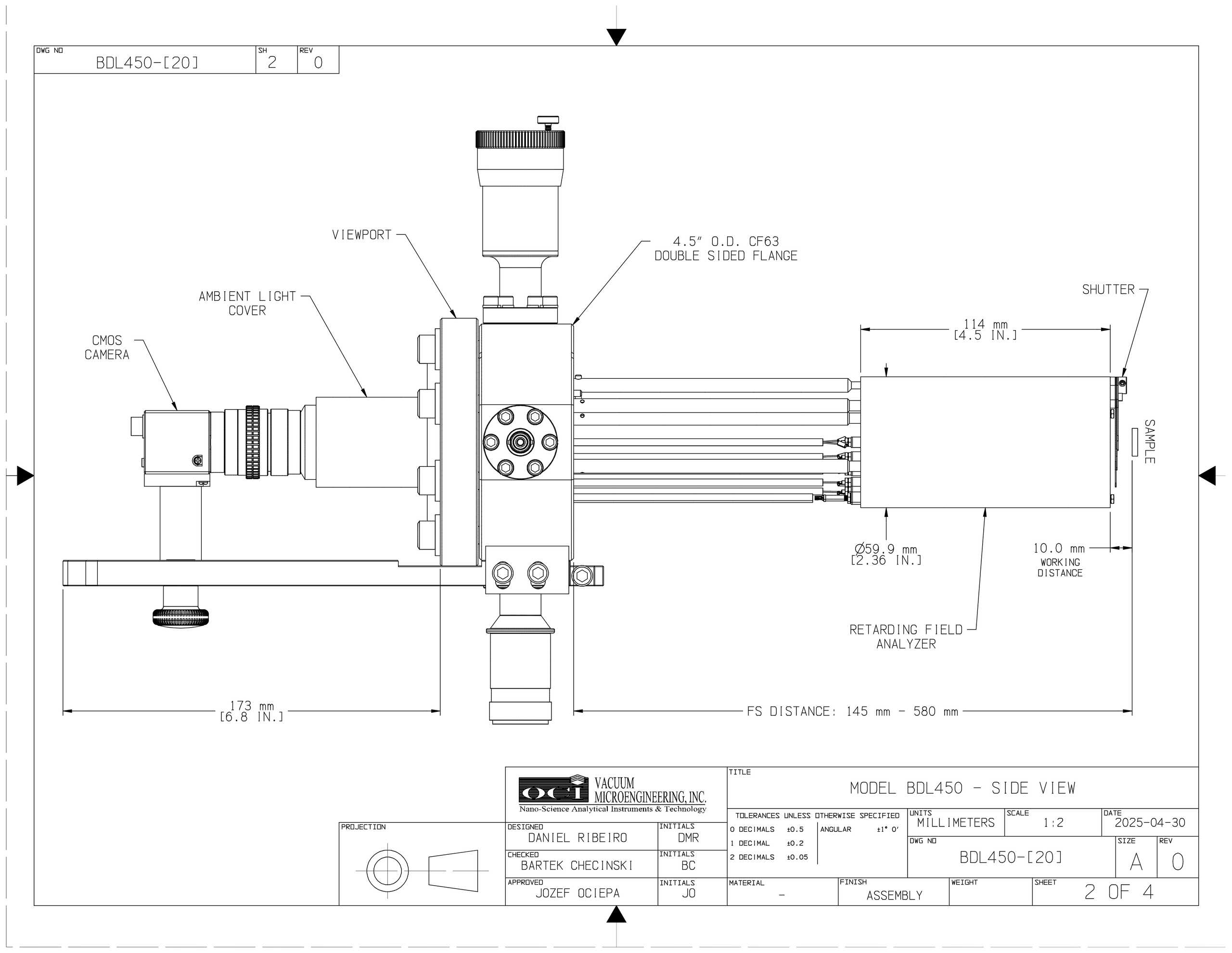
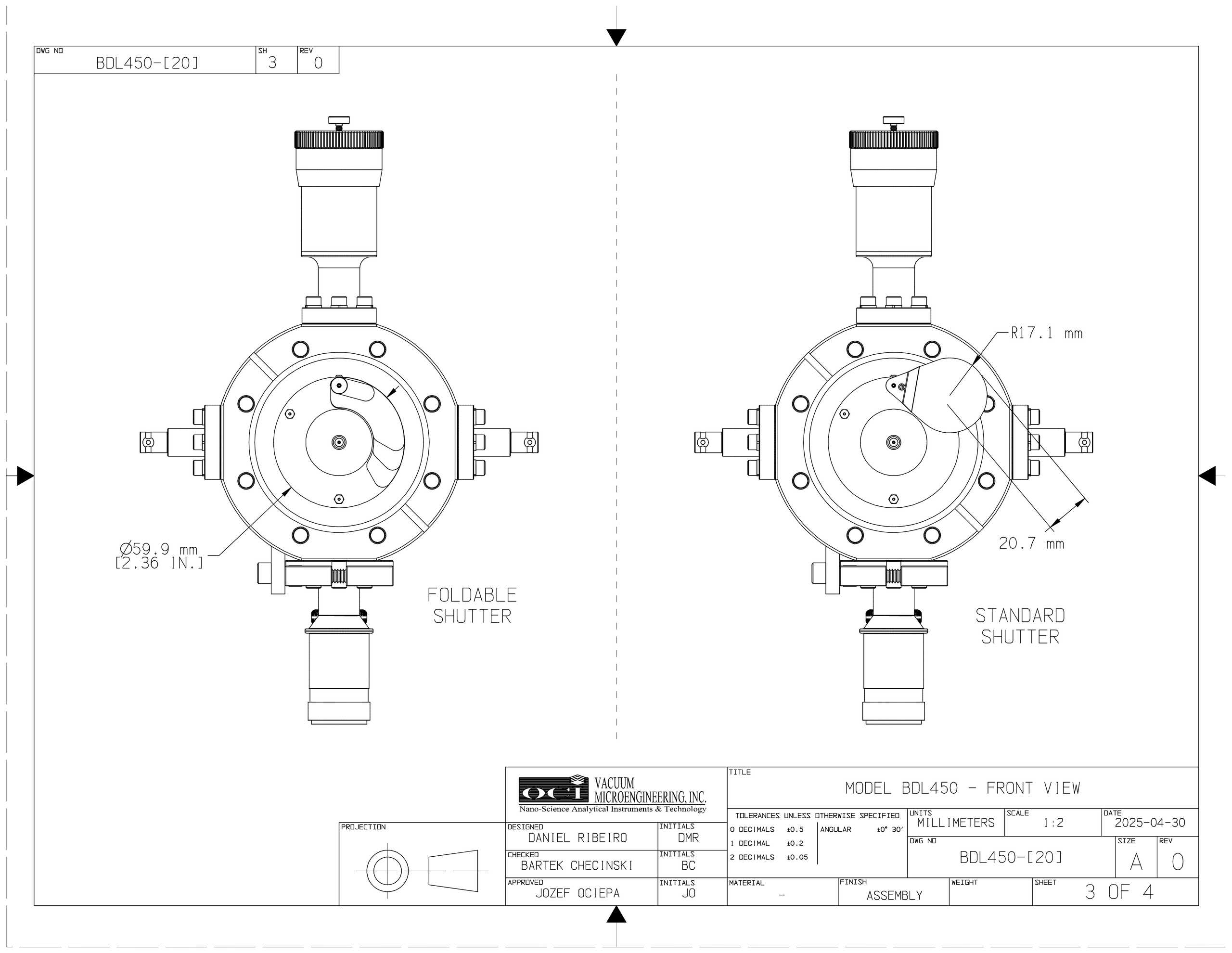
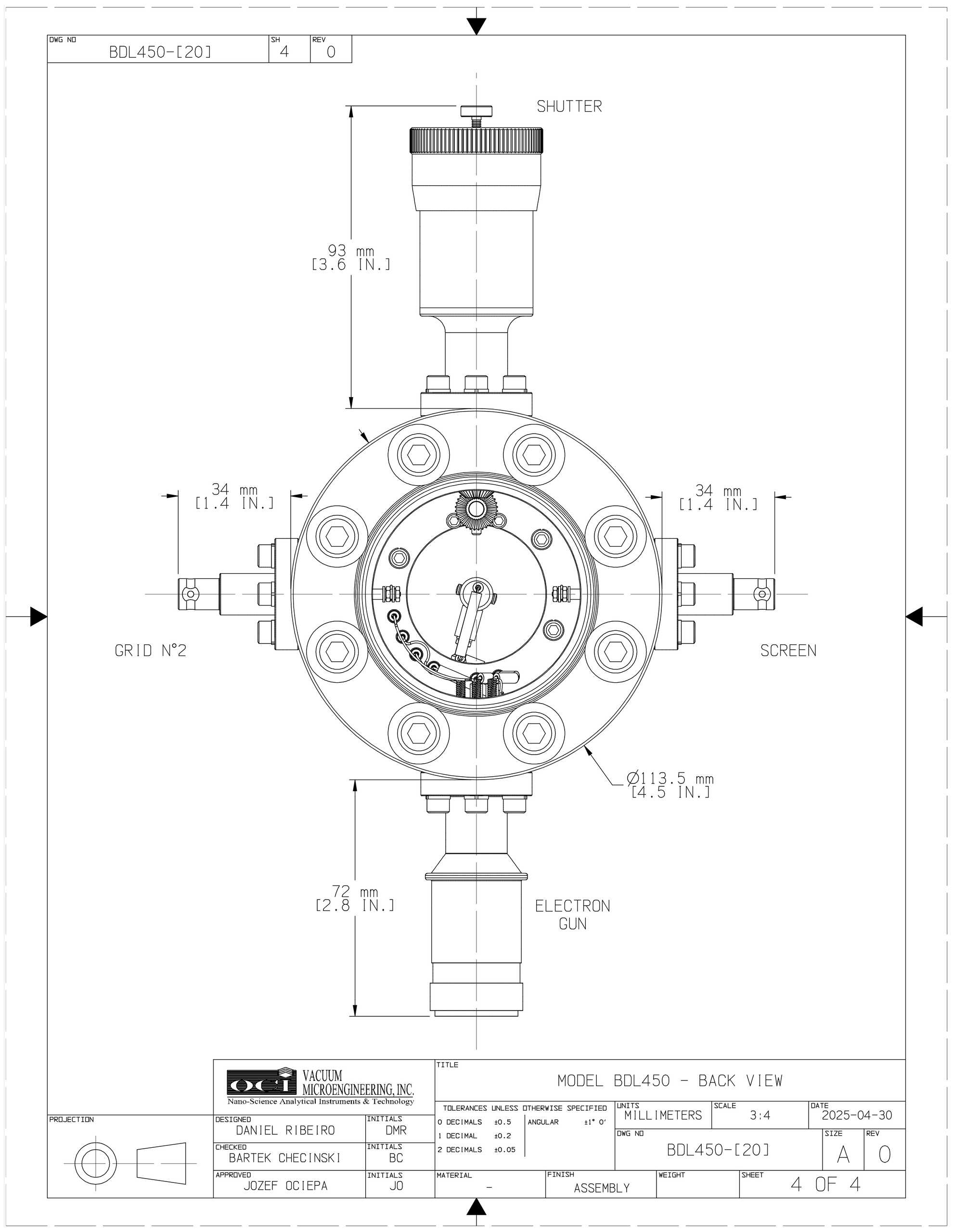
For detailed specifications, download LEED 450 Specifications (.pdf)
| Optics | |
|---|---|
| Glass-display | Fused silica coated with indium-tin oxide conductive layer and P31 phosphor (ZnS:Ag:Cu-green, 525 nm wavelength) |
| Acceptance angle | 83 °C angle of acceptance from sample at a distance of 34mm |
| Retarding Field Analyser | Concentric assembly of hemispherical grids |
| Working distance | 10 mm from sample |
| Grid material | Gold coated stainless steel mesh (100 mesh, 81% transparency) |
| Energy Resolution | 0.8% at low modulation voltages |
| Monitoring | 4.5" standard viewport |
| Linear motion | External nipple with bellow up to 150mm retraction from sample |
| Integral Shutter | Manual shutter driven by a rotary feedthrough |
| Magnetic shielding | Mu-metal cylinder with front cover for maximum attenuation |
| Assembly | Extreme-high-vacuum compatibility with stainless steel, high alumina and Au-plated copper alloy materials |
| Mounting | CF4.5" (DN63CF) double sided conflat flange with sample distance 145mm – 580mm |
| Bakeability | Under vacuum, 250 °C maximum |
| Integral Miniature Electron Gun | |
| Beam energy system | LEED – 5 eV to 750 eV, AES – 5 eV to 3000eV |
| Beam current | LEED – 2 µA at 100 eV and 0.5mm beam size, AES - up to 100 µA at 3 keV |
| Beam size | from 1mm to 250 µm - adjusted by Wehnelt potential, limited by exchangeable aperture down to 50 µm |
| Electron source | Tungsten-2% thoriated filament standard, single crystal LaB6 filament optional |
| Energy spread | 0.45 eV (thoriated - tungsten filament) |
| Overall size | 10 mm lens diameter and 80mm length |
The LEED 450 optics is controlled using either a LPS075-D or LPS300-D power supply. The LPS075-D is used to operate the optic in LEED mode only whereas the LPS300-D in conjunction with the LOA10-AES lock-in controller and AUS30 input coupler is used to operate the optics in LEED and AES modes. Integral shutter (Model ISH-45) and LaB6 filament (Model LaB6) are further options.
For more information, download LEED 450 Configuration Guide (.pdf)